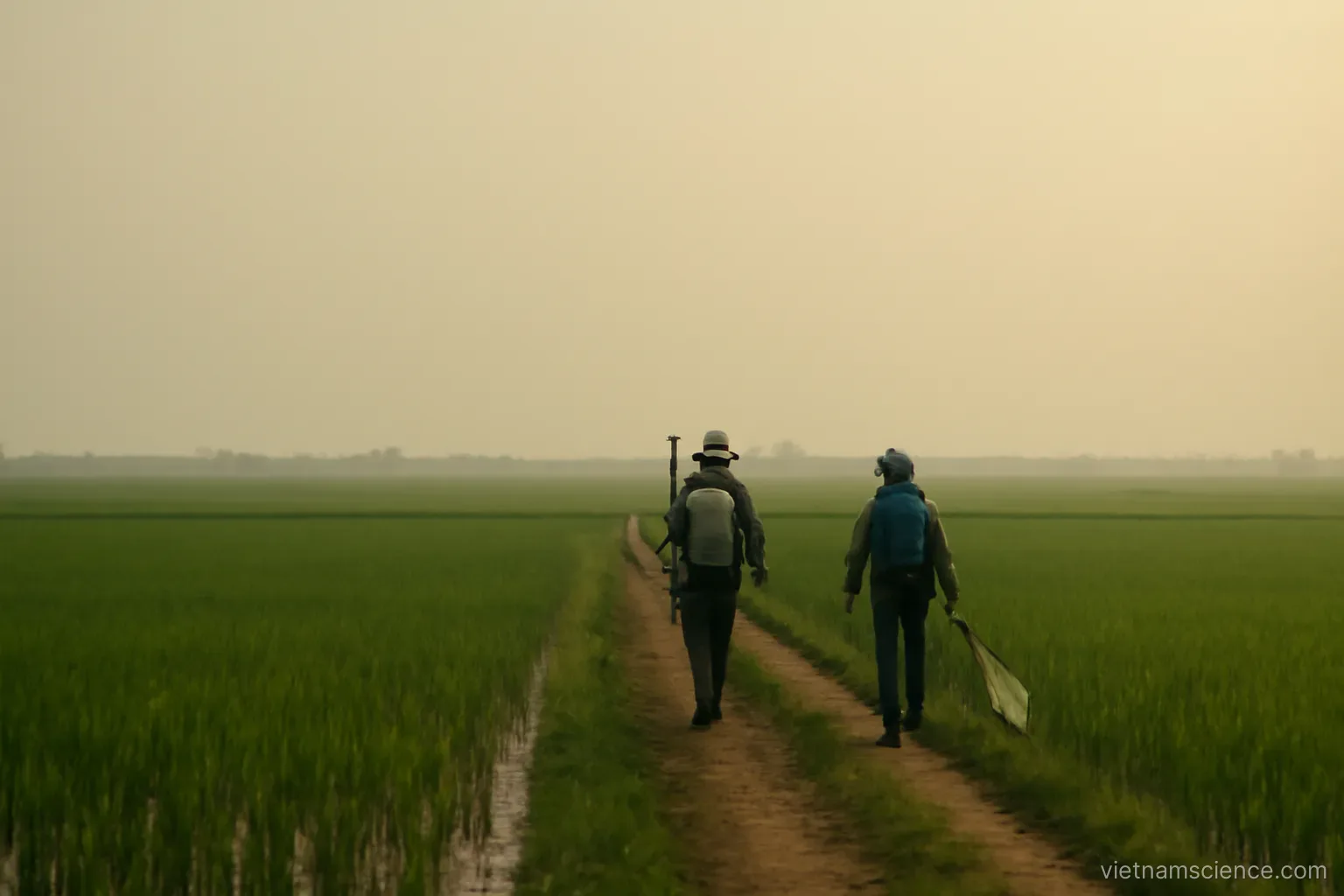
Access to a community or a field site is not a permit that gets issued. It is a relationship your local partner has usually spent years building — and every visiting team either strengthens or damages it.
Before travelling
- Confirm all permits and approvals are issued, not pending.
- Understand who must be informed at provincial and commune level.
- Agree the schedule with local partners, allowing for weather and local calendars.
- Plan for transport times longer than distances suggest.
- Prepare consent materials in Vietnamese, professionally translated.
Working with communities
- Local partners set the pace of introduction — follow their lead.
- Explain the research in terms of what it is for, not what it measures.
- Be explicit about what participants will and will not receive.
- Do not promise results timelines you cannot meet.
- Plan and budget for reporting findings back.
Logistics that catch people out
- Cold chain over long distances in high humidity.
- Power interruptions during long protocols.
- Mobile coverage gaps affecting digital data collection.
- Seasonal access to some locations.
- Always carry an offline fallback for data capture.
Framing that damages partnerships
- Describing local colleagues as providing access rather than doing research.
- Arriving with the protocol fixed and no room for local input.
- Leaving with the data and no plan for local-led outputs.
Leaving well
- Return findings to participating communities in accessible form.
- Leave equipment where it is useful, with maintenance funding.
- Ensure the local team holds the data and can use it.
- Support at least one output led by local colleagues.
One thing worth remembering
Communities that were studied and never heard back do not participate again.
The cost of that falls on the next researchers who come — usually local ones, working on something that matters to that community, with no funding to repair a relationship they did not break.
Câu hỏi thường gặp
What is field site access really?
Not a permit but a relationship your local partner has usually spent years building — every visiting team either strengthens or damages it.
What should be confirmed before travelling?
That all permits are issued rather than pending, who must be informed at provincial and commune level, the schedule agreed with local partners, and translated consent materials.
How should communities be engaged?
Local partners set the pace of introduction, explain the research in terms of what it is for, be explicit about what participants receive, and plan for reporting findings back.
What logistics catch people out?
Cold chain in high humidity, power interruptions during long protocols, mobile coverage gaps, and seasonal access — always carry an offline fallback.
What happens if findings are never returned?
Communities that were studied and never heard back do not participate again, and the cost falls on the next researchers — usually local ones.