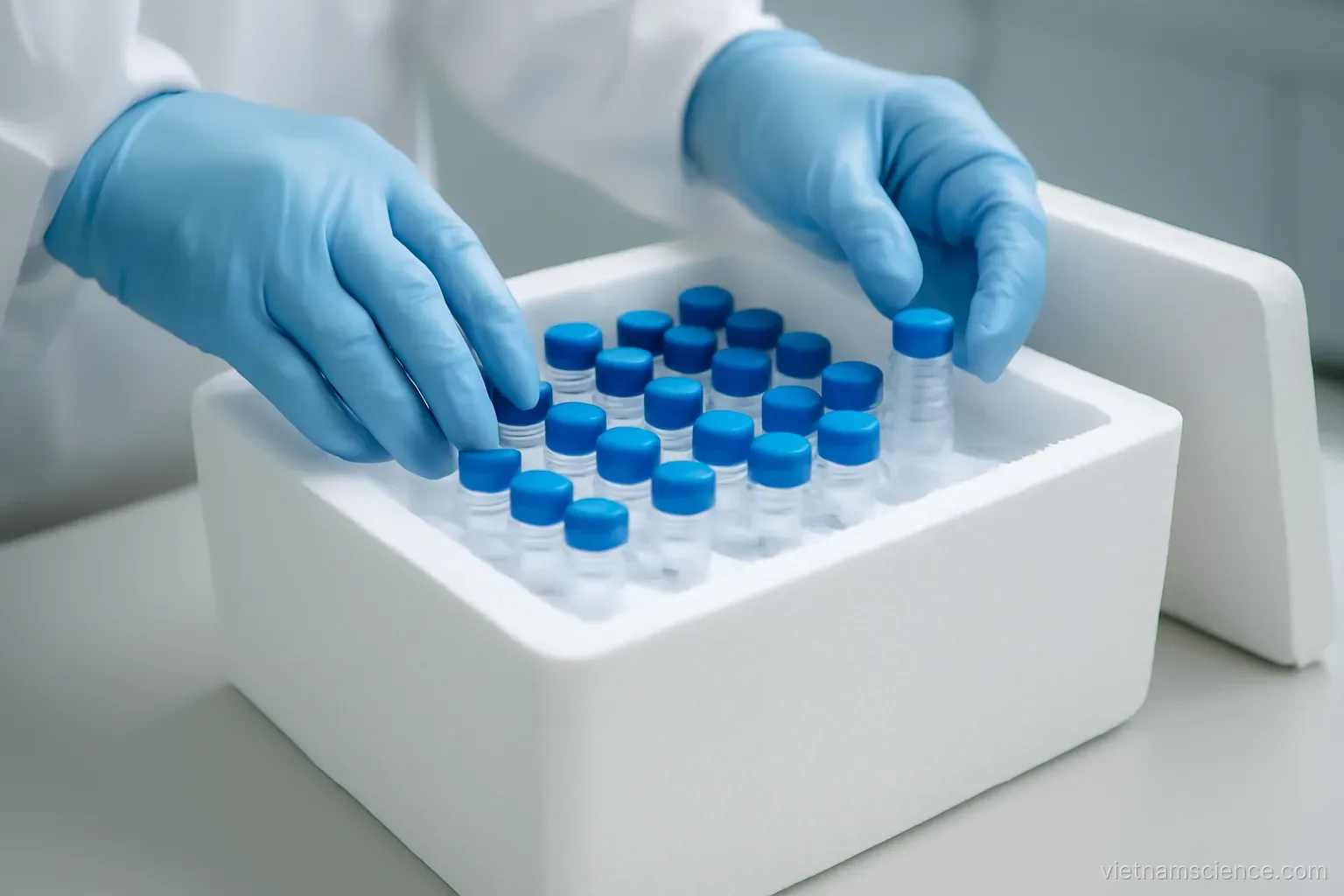
What happens to material remaining after a study ends has been a recurring source of grievance in international research — and it is entirely avoidable by agreeing terms before anything is collected.
Agree before collection
- Who owns material collected under the project.
- What happens to remaining material when the study ends.
- Whether material may be used in future unrelated studies.
- Whether it may be transferred onward to a third party.
- Whether participants consented to any of the above.
Permits and approvals
- Export permits are usually required and take time.
- Some categories of material have additional restrictions.
- Genetic resources carry specific access and benefit-sharing obligations.
- Start the process early; it is rarely fast.
Consent must cover it
- Consent for a specific study does not cover indefinite future use.
- If future use is intended, the consent document must say so.
- Broad consent has its own requirements and limits.
- Retrofitting consent afterwards is not possible.
Material transfer agreements
- Use one even between institutions with a good relationship.
- Specify permitted uses, onward transfer, and publication obligations.
- Specify what happens to material if the project ends early.
- It protects both sides, and mainly protects the side sending material.
Local capacity
- Where analysis can be done locally, doing it locally builds capacity.
- Where it cannot, fund training so that next time it can.
- Shipping everything abroad by default is a habit worth examining.
One thing worth remembering
Agree what happens to remaining material after the study ends before any collection begins.
Afterwards, the conversation involves material that already exists, with value attached, and a party that has physical possession — which is why this specific question has damaged more international relationships than almost any other.
Câu hỏi thường gặp
What should be agreed before collection?
Who owns collected material, what happens to remaining material at study end, whether it may be used in future unrelated studies, whether it may be transferred onward, and whether participants consented.
What permits are needed?
Export permits are usually required and take time, some categories have additional restrictions, and genetic resources carry specific access and benefit-sharing obligations.
Does consent cover future use?
Consent for a specific study does not cover indefinite future use — if future use is intended the consent document must say so, and it cannot be retrofitted.
Why use a material transfer agreement?
It specifies permitted uses, onward transfer, publication obligations and what happens if the project ends early — and it mainly protects the side sending material.
What about local analytical capacity?
Where analysis can be done locally, doing it locally builds capacity; where it cannot, fund training so that next time it can.