Agricultural research in Vietnam has two structural advantages that are hard to replicate: multi-decade trial and variety data, and a research system connected directly to a sector that employs a large share of the population.
Where capacity sits
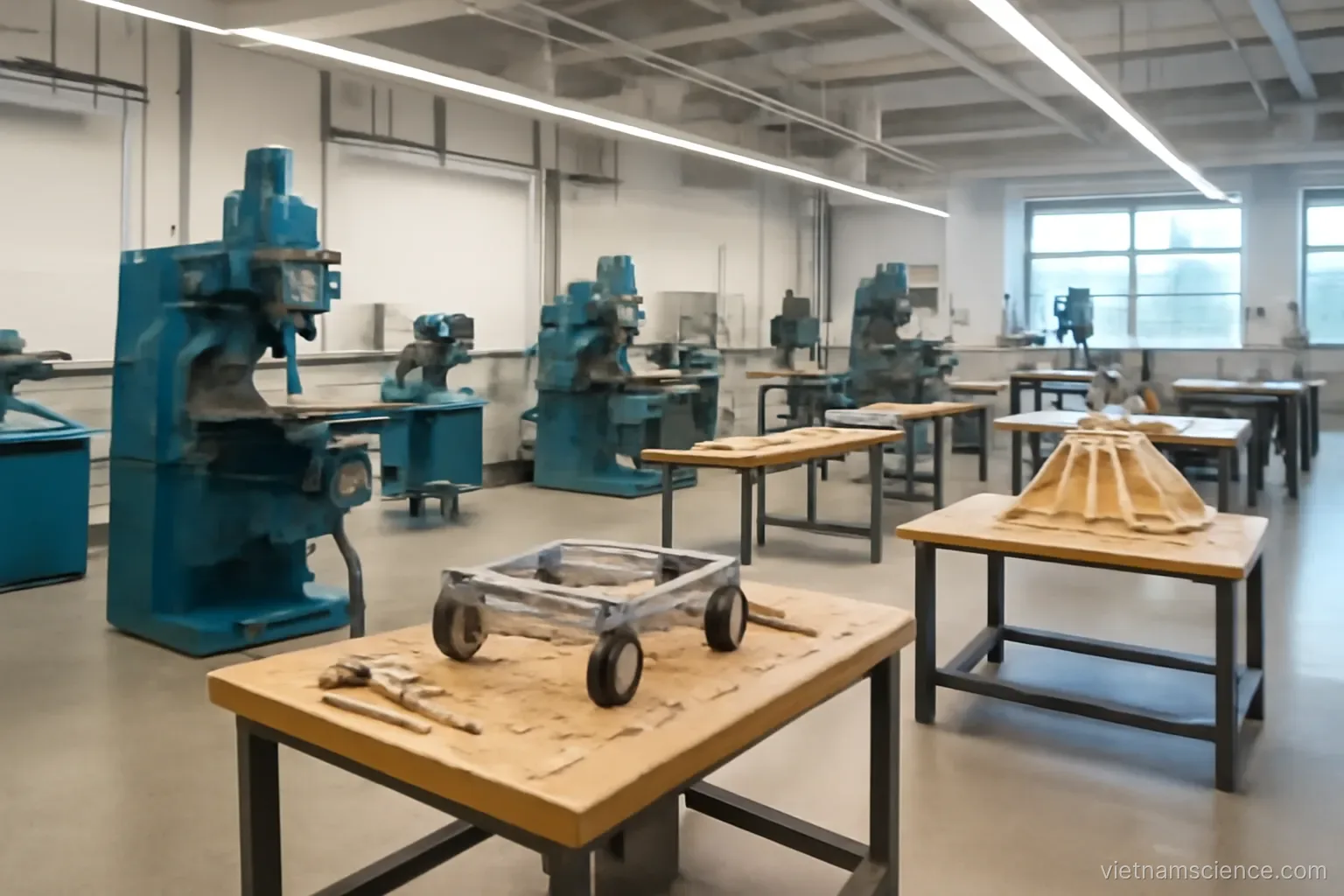
- Specialised institutes for major crops and livestock systems.
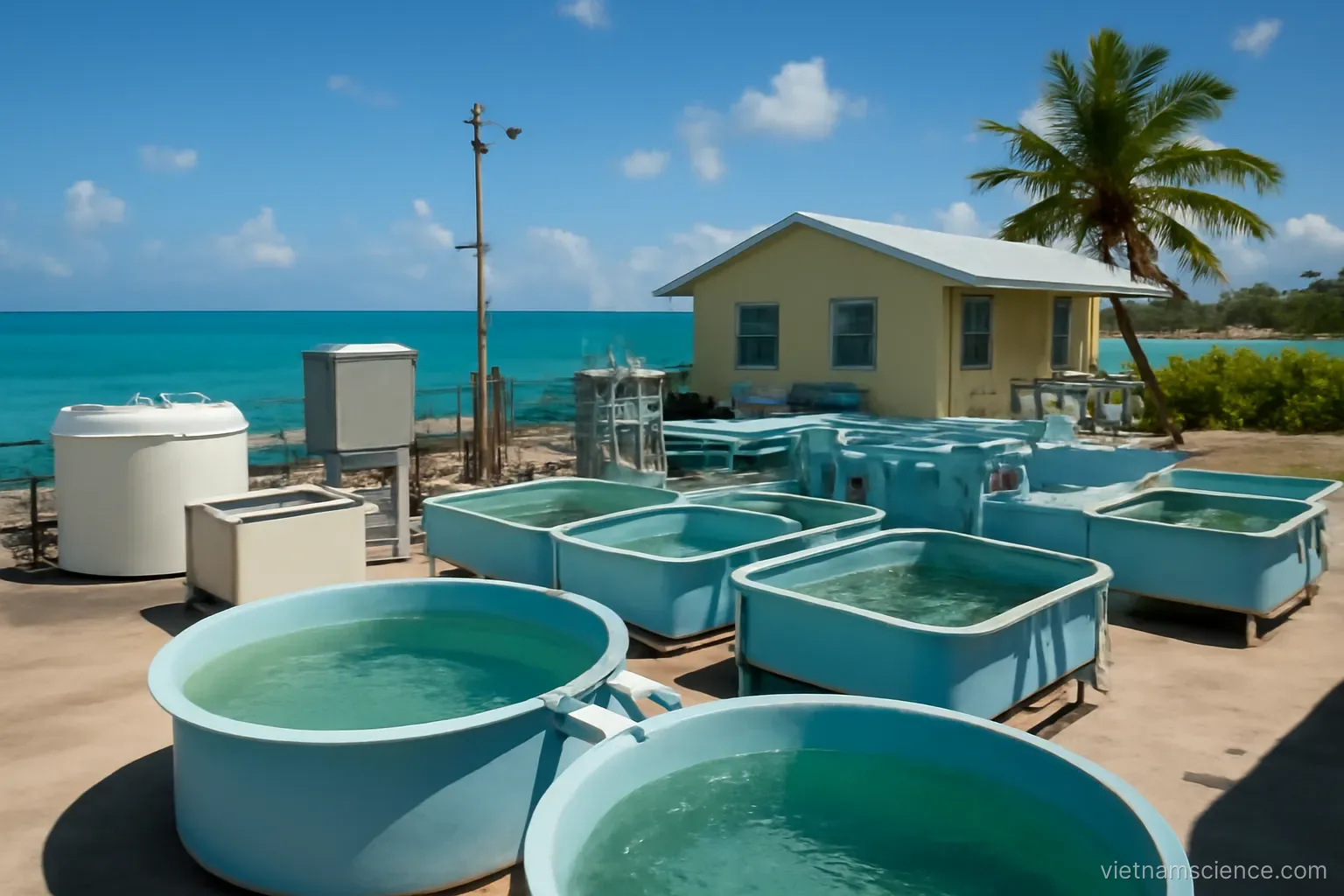
- Regional institutes covering distinct agro-ecological zones.
- Agricultural universities with field station networks.
- Extension systems that reach producers directly.
What the long series offer
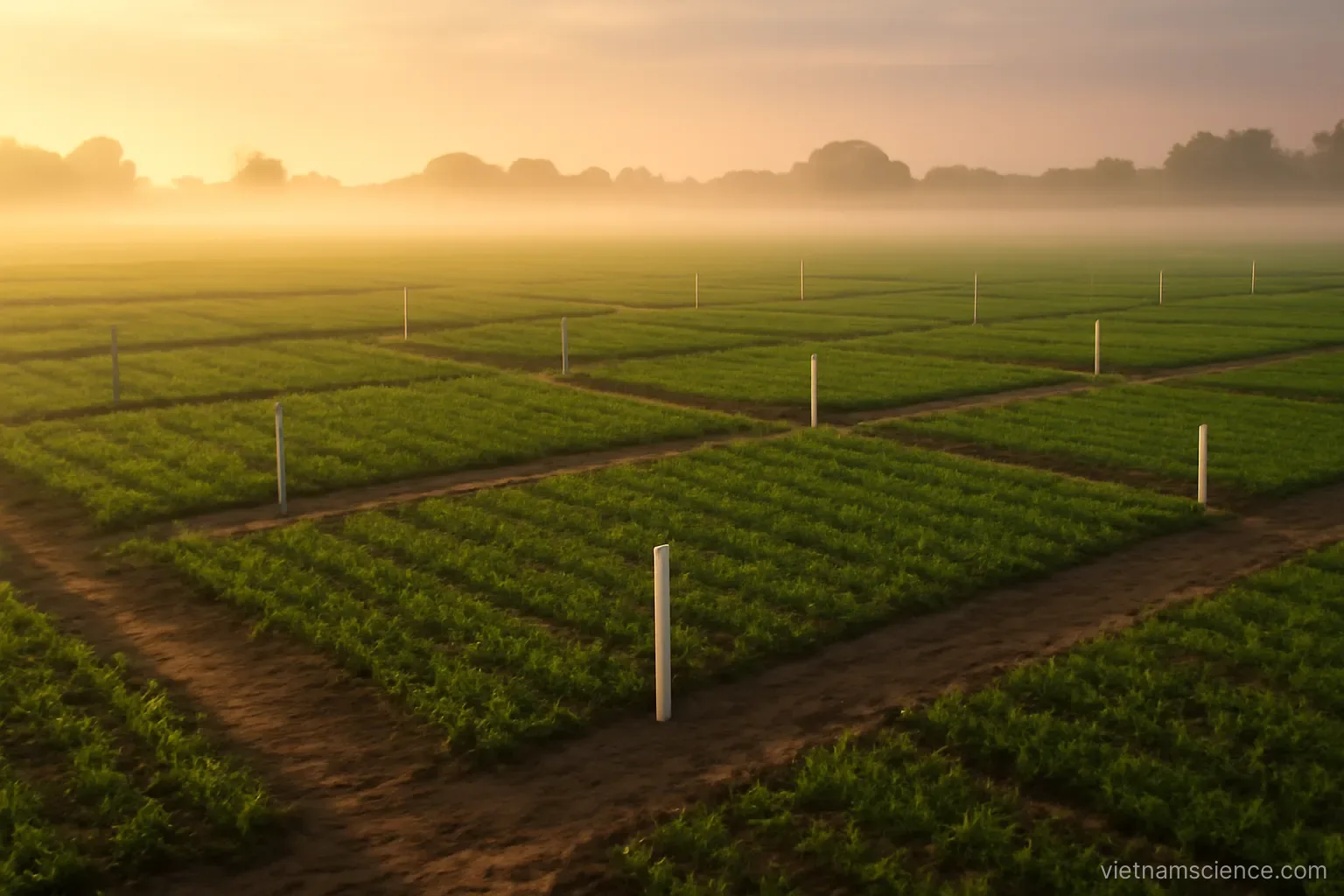
- Variety performance data across many seasons and locations.
- Pest and disease records going back decades.
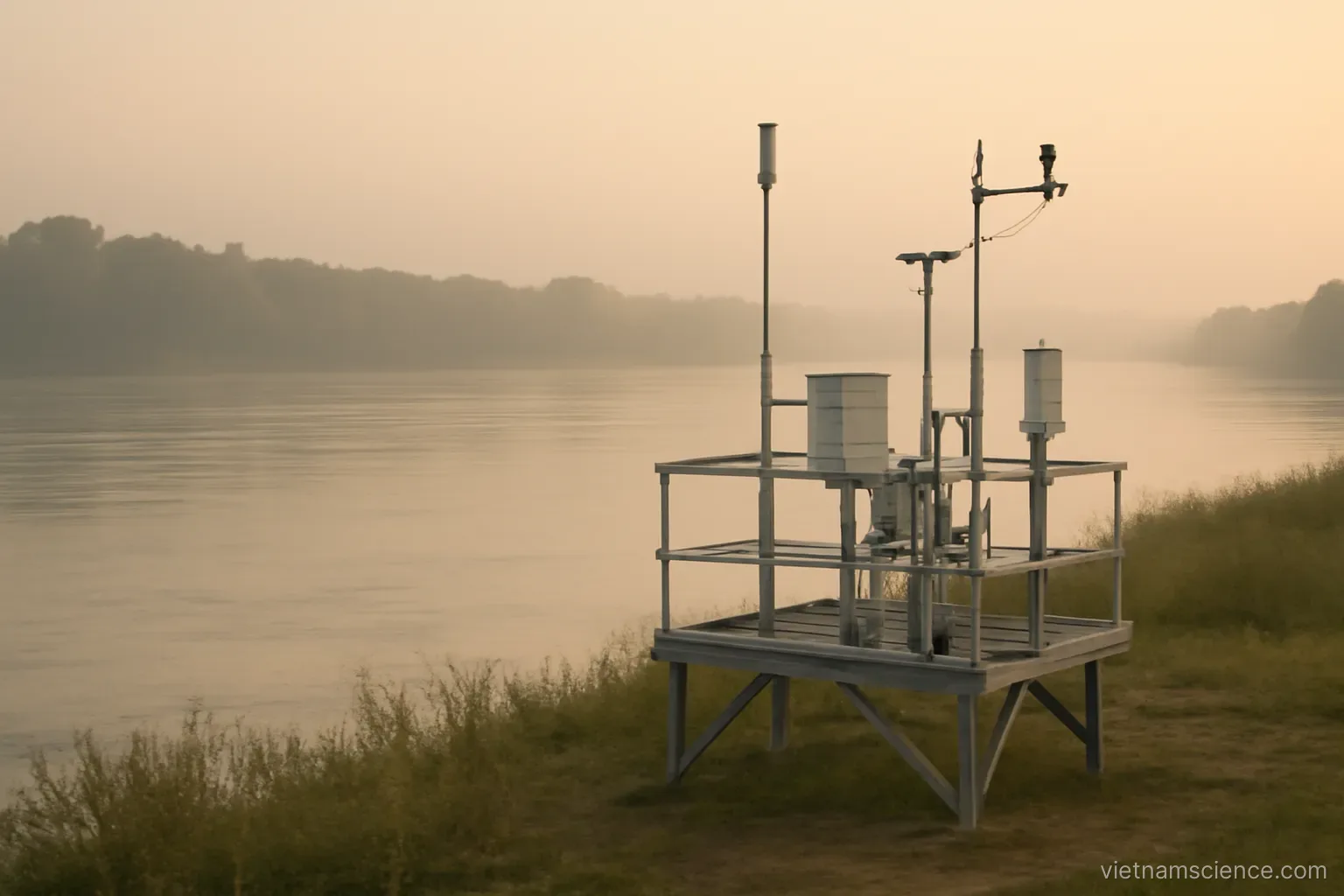
- Soil and climate series for specific zones.
- Germplasm collections maintained over long periods.
- None of this can be recreated at any cost.
Constraints to plan for
- Field trials run on the agricultural calendar, not on the project calendar.
- A missed planting window costs a full season.
- Historical data may be on paper or in undocumented formats.
- Germplasm exchange requires permits and takes time.
Working well
- Plan around the cropping calendar from the start.
- Combine long local series with methods you bring.
- Fund digitisation of historical trial data as a shared output.
- Ensure results reach extension systems, not only journals.
Benefit sharing for genetic resources
- Access to genetic material carries specific obligations.
- Agree terms before collection, not after.
- Historically a significant source of grievance internationally.
- Getting this right is both a legal and an ethical requirement.
One thing worth remembering
Plan around the cropping calendar from the very start.
A missed planting window does not cost weeks — it costs a full season, and no amount of funding or goodwill compensates for it once the window has passed.
Câu hỏi thường gặp
What are the structural advantages?
Multi-decade trial and variety data, and a research system connected directly to a sector employing a large share of the population.
Where does capacity sit?
Specialised institutes for major crops and livestock, regional institutes covering agro-ecological zones, agricultural universities with field stations, and extension systems reaching producers.
What do the long series offer?
Variety performance across many seasons and locations, pest and disease records going back decades, soil and climate series, and germplasm collections — none recreatable at any cost.
What constraints should you plan for?
Field trials running on the agricultural calendar, a missed planting window costing a full season, historical data on paper, and germplasm exchange requiring permits.
What about genetic resources?
Access carries specific obligations and terms must be agreed before collection — historically a significant source of international grievance.