Research strength in any country clusters around specific groups, not whole institutions. In Vietnam it concentrates most reliably in fields where local conditions, local data and long institutional continuity are the decisive inputs.
Where applied strength concentrates
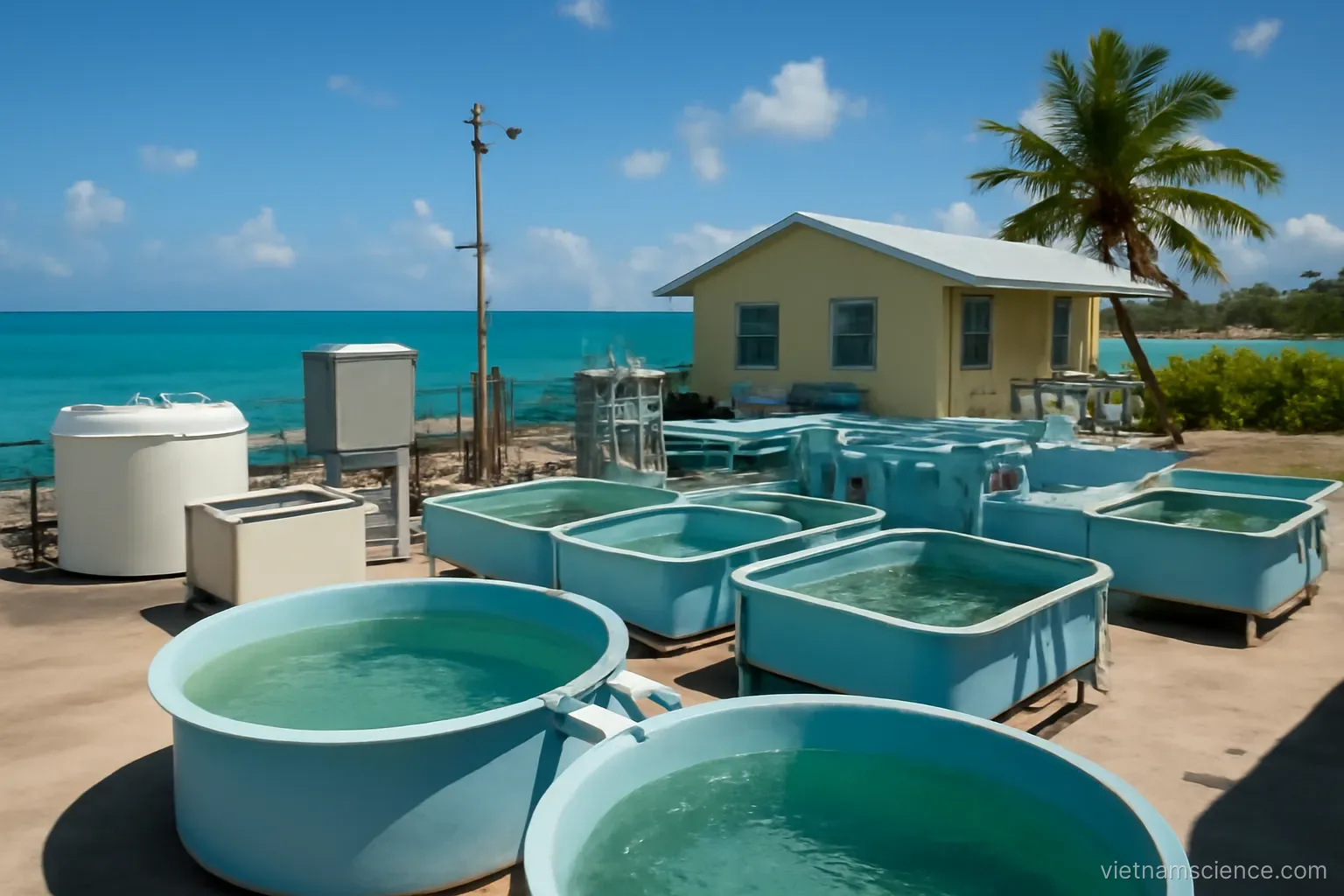
- Agriculture and aquaculture — long data series, direct link to a major sector.
- Tropical and infectious disease — clinical volume and field access.
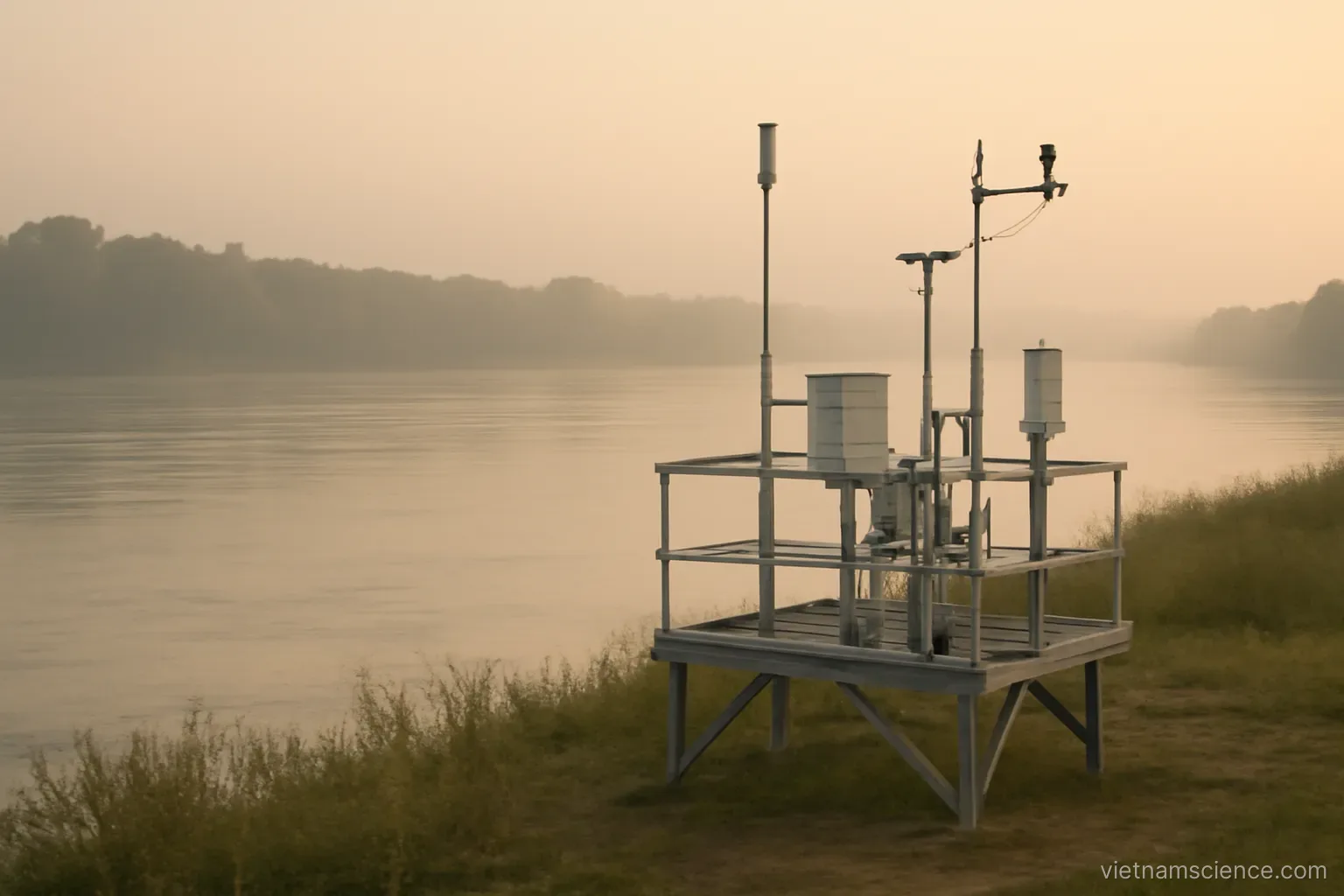
- Environment and water resources — local monitoring data available nowhere else.
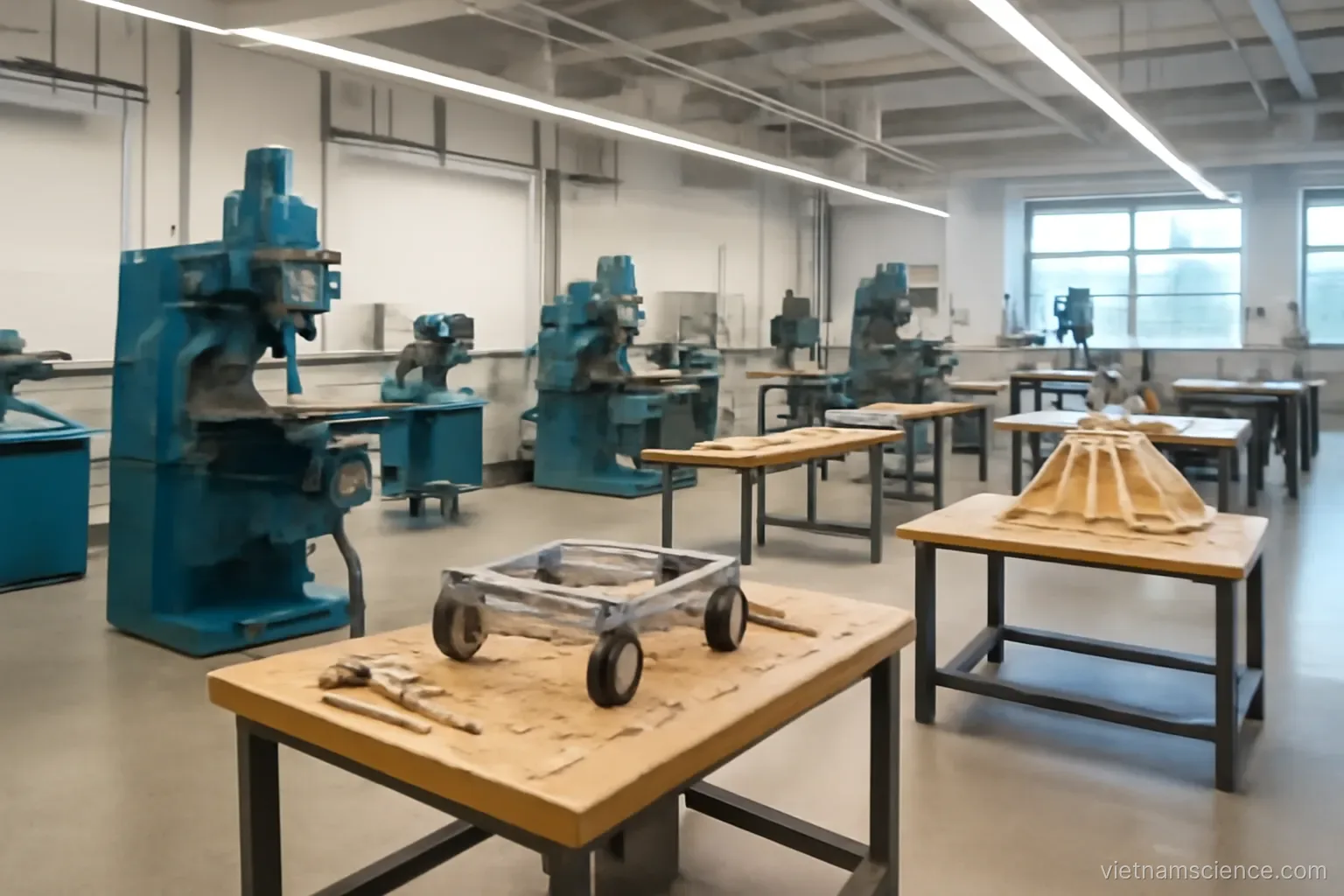
- Materials and processing tied to local industry.
- In each case the advantage is access to something that cannot be replicated abroad.
How to verify a claim of strength
- Look for sustained output in one narrow area over five or more years.
- Check whether their students go on to publish independently.
- Check whether they attract competitive local funding.
- Ask others in the same field, directly.
Signals that mislead
- Institutional rankings, which aggregate across everything.
- Total institutional publication counts.
- Conference attendance, which tracks travel funding as much as capability.
- Quality of English-language web presence.
What a foreign partner gains
- Access to data and material that exists nowhere else.
- Field conditions that cannot be simulated.
- Practical knowledge of what works in those conditions.
- Scale of clinical or field observation in some areas.
Emerging areas
- Capacity is growing in computational and data-intensive fields.
- Younger researchers trained abroad are returning into these areas.
- Verify group by group rather than assuming national-level trends apply locally.
One thing worth remembering
The most reliable signal of a strong group is that their students go on to publish independently.
It takes years to build, cannot be fabricated, and predicts whether a partnership will still be productive in a decade better than any output metric.
Câu hỏi thường gặp
Where does applied strength concentrate?
Agriculture and aquaculture, tropical and infectious disease, environment and water resources, and materials tied to local industry — fields where access cannot be replicated abroad.
How do you verify a claim of strength?
Look for sustained output in one narrow area over five or more years, check whether their students publish independently, check competitive local funding, and ask others in the field.
Which signals mislead?
Institutional rankings that aggregate across everything, total publication counts, conference attendance which tracks travel funding, and English-language web presence quality.
What does a foreign partner gain?
Access to data and material existing nowhere else, field conditions that cannot be simulated, practical knowledge of what works, and scale of observation in some areas.
What is the most reliable signal?
That their students go on to publish independently — it takes years to build and predicts long-term partnership productivity better than any output metric.