Vietnam's environmental research advantage rests on two things that cannot be manufactured elsewhere: decades of monitoring data, and a set of physical conditions — major deltas, a long coastline, intense monsoon dynamics — that make it a natural laboratory for questions the rest of the world is starting to face.
Where capacity concentrates
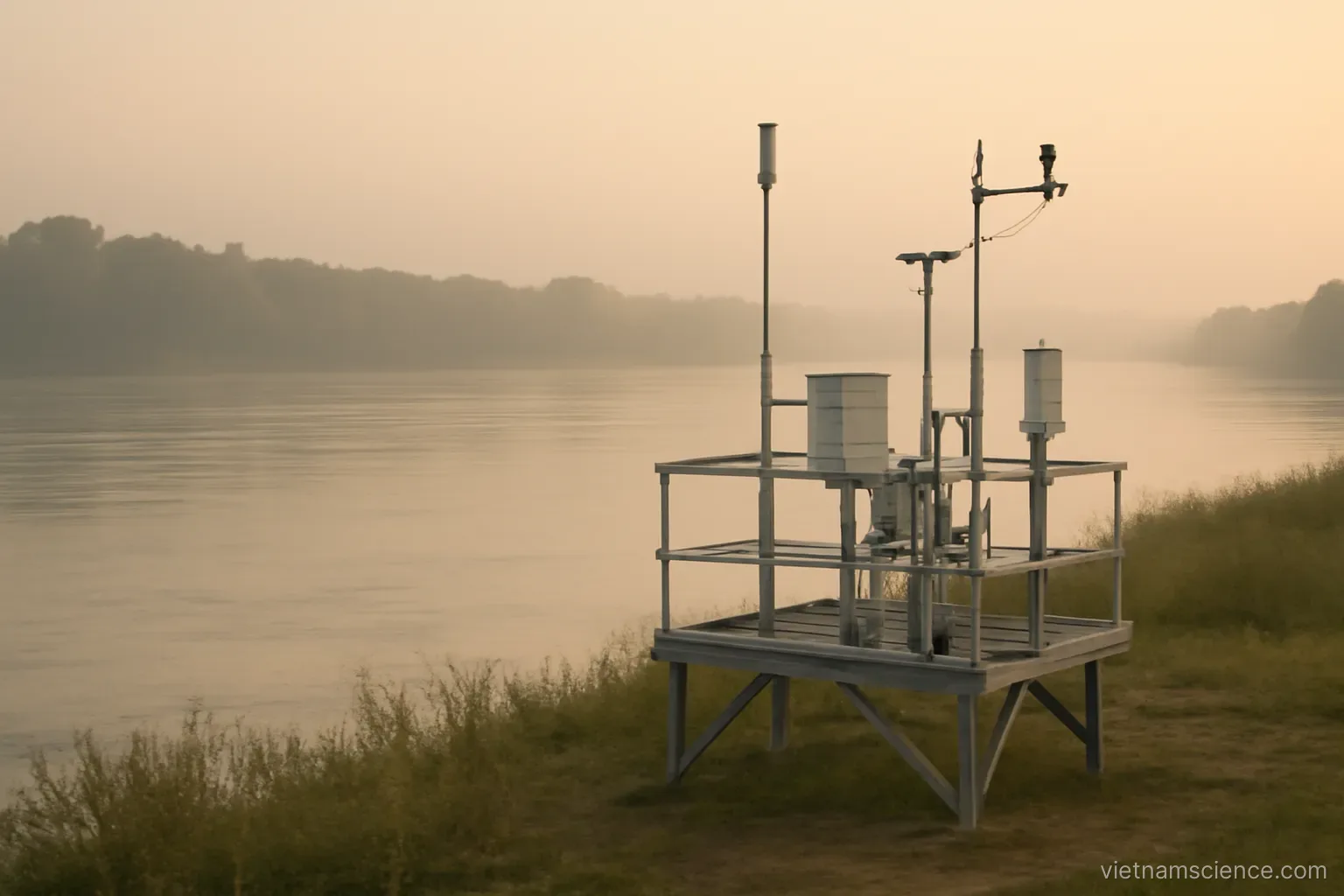
- Water resources and delta hydrology.
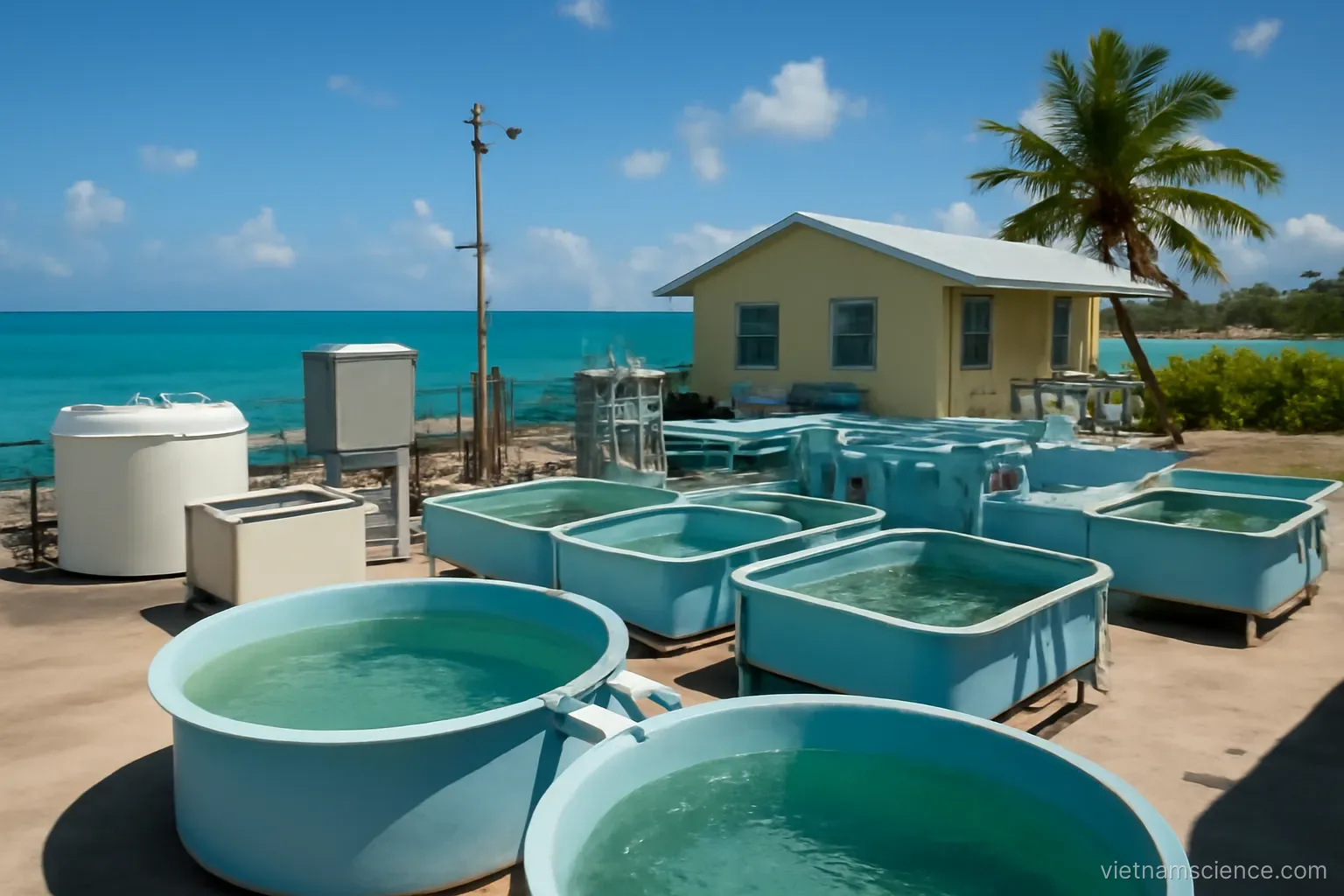
- Coastal and marine environments.
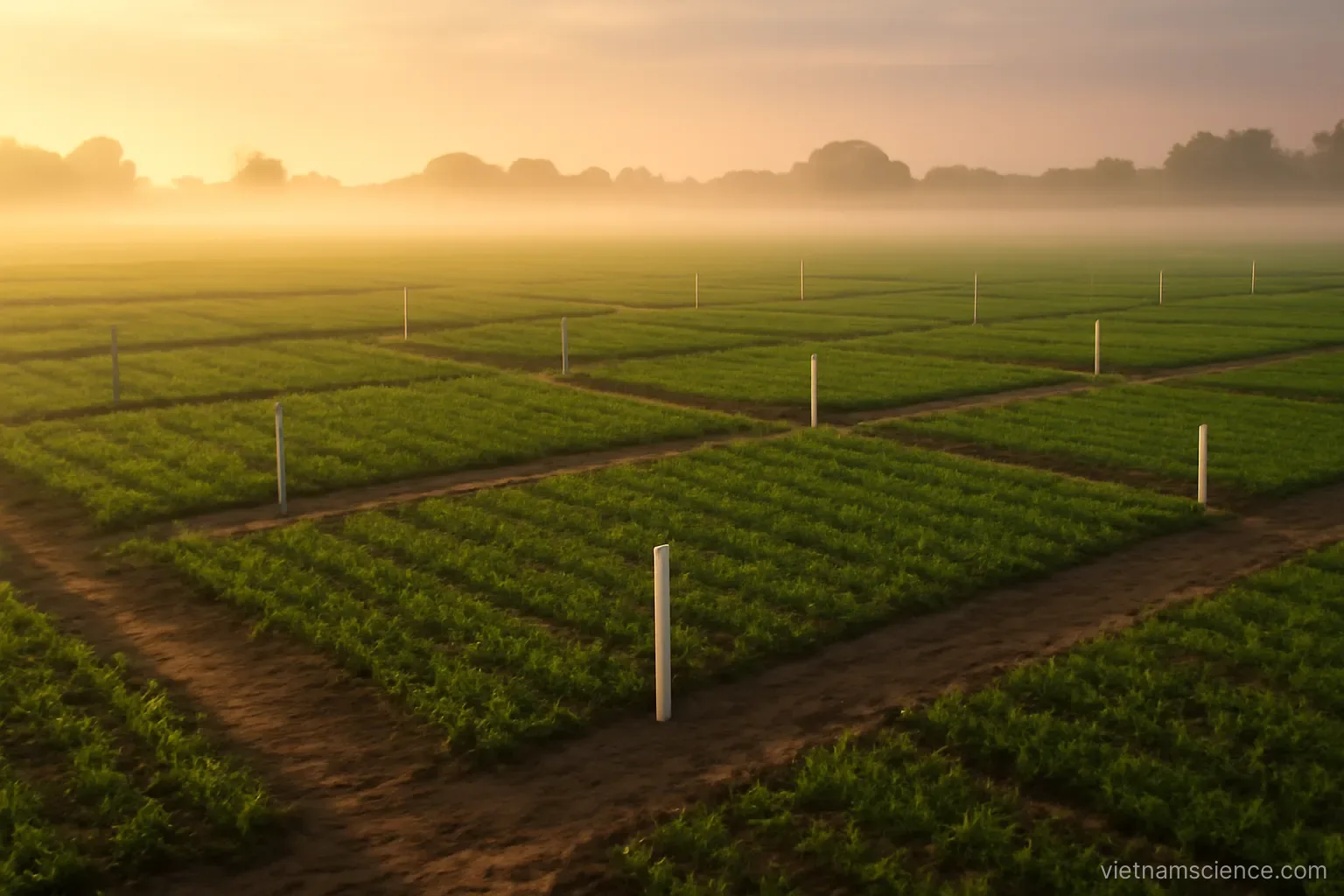
- Climate adaptation in agriculture.
- Air and water quality in rapidly urbanising areas.
- Institutes attached to sector ministries hold most of the long series.
What the long series offer
- Baselines going back decades in some parameters.
- Ability to distinguish trend from year-to-year variation.
- Context for interpreting a short modern study.
- Data that cannot be recreated at any cost.
Constraints to expect
- Historical data may be on paper or in undocumented formats.
- Definitions and methods may have changed across the series.
- Access requires a local institution and formal request.
- Digitisation is often a project in itself — budget for it.
Working well in this area
- Combine long local series with modern methods you bring.
- Fund digitisation as a shared output, valuable beyond your project.
- Ensure local partners lead outputs about their own system.
- Return processed data to the holder in usable form.
Why local framing matters here
- Findings feed directly into local policy and livelihoods.
- Framing a region as a case study of degradation has real consequences.
- Local co-authors see distortions you cannot.
One thing worth remembering
Fund the digitisation of historical monitoring data as a shared output.
It is often the single highest-value contribution a foreign partner can make — the data cannot be recreated, the local institution rarely has funding for it, and once done it serves every future study rather than only yours.
Câu hỏi thường gặp
What is the environmental research advantage?
Decades of monitoring data and physical conditions — major deltas, long coastline, intense monsoon dynamics — that cannot be reproduced elsewhere.
Where does capacity concentrate?
Water resources and delta hydrology, coastal and marine environments, climate adaptation in agriculture, and air and water quality in urbanising areas.
What do long data series offer?
Baselines going back decades, ability to distinguish trend from year-to-year variation, context for interpreting short modern studies, and data that cannot be recreated at any cost.
What constraints should you expect?
Historical data may be on paper or undocumented, definitions may have changed across the series, access requires a local institution, and digitisation is often a project in itself.
What is the highest-value contribution a foreign partner can make?
Funding digitisation of historical monitoring data as a shared output — it cannot be recreated, and once done it serves every future study.